The Inspiration Behind MAHTANTU
MAHTANTU began with a question that would not leave us alone. What if the man at the center of the Western was never the man the genre has always shown us? What if he had been there the whole time, watching from the edge of the frame, carrying a grief the camera was never trained to see?
The series is built on the America that history books mention only in passing. The meteor storm that fell across the continent in 1833, when the sky itself seemed to come apart. The freakshow tents of the 1840s, where America put its outcasts on display and called it entertainment. The New York Draft Riots of July 1863, when a city tore itself open over the question of who was worth dying for. Custer riding toward Little Big Horn with a reporter at his side. The Ghost Dance of 1890, the last prayer of a people who had run out of land. And San Francisco in 1906, when the ground finally answered. These are not backdrops. They are the moments where the country revealed itself, and where our protagonist is always present and always invisible.
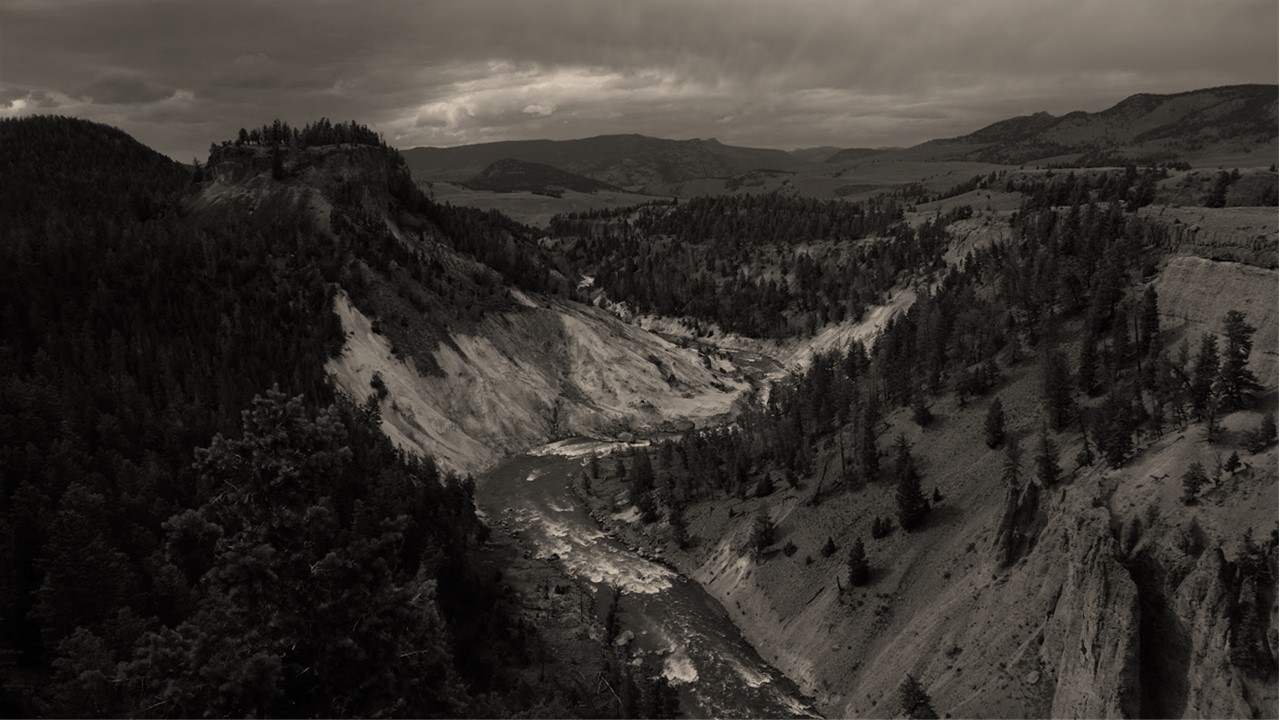
Visually we follow Vilmos Zsigmond into the woods of The Deer Hunter. A light that belongs neither to vision nor to reality but to both at once. We call this The Language of Not-Knowing. The camera shares Wehwan’s uncertainty. The audience never gets to stand above him.
The mythology of Mahtantu, the evil spirit of the Lenape, and the vision rituals of the Oglala are not decoration. They are the load-bearing structure. The series refuses to answer whether Wehwan is a visionary or a man whose mythology is the only thing keeping his grief at bay. Both answers are true. Neither is enough.
Musically we will not pretend it is 1863. We reach instead for Indigenous trance laid over blues. Because the question MAHTANTU asks is not what 1863 sounded like. It is what 1863 still sounds like, now, when we finally listen.