Sign in

MAHTANTU

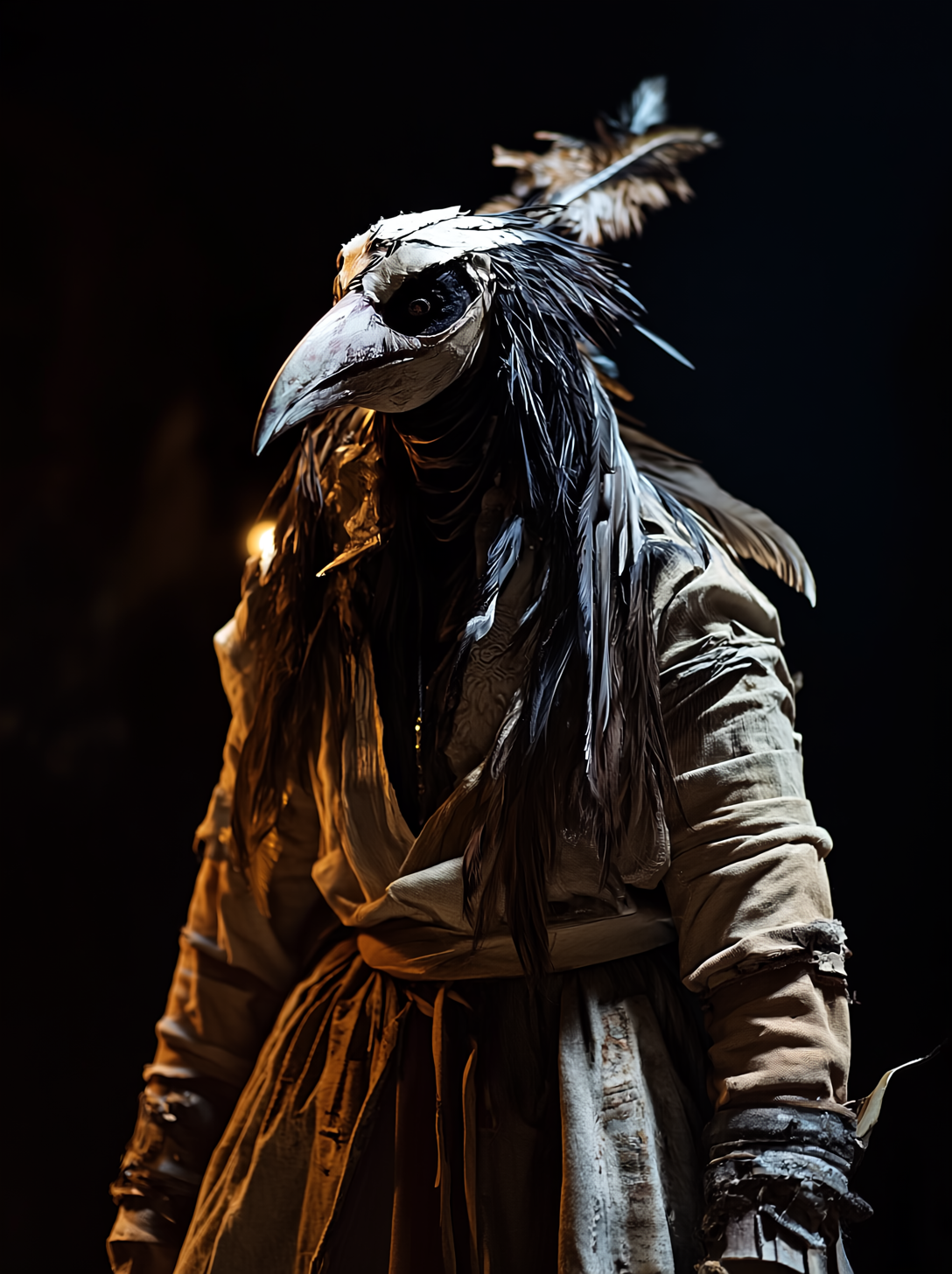
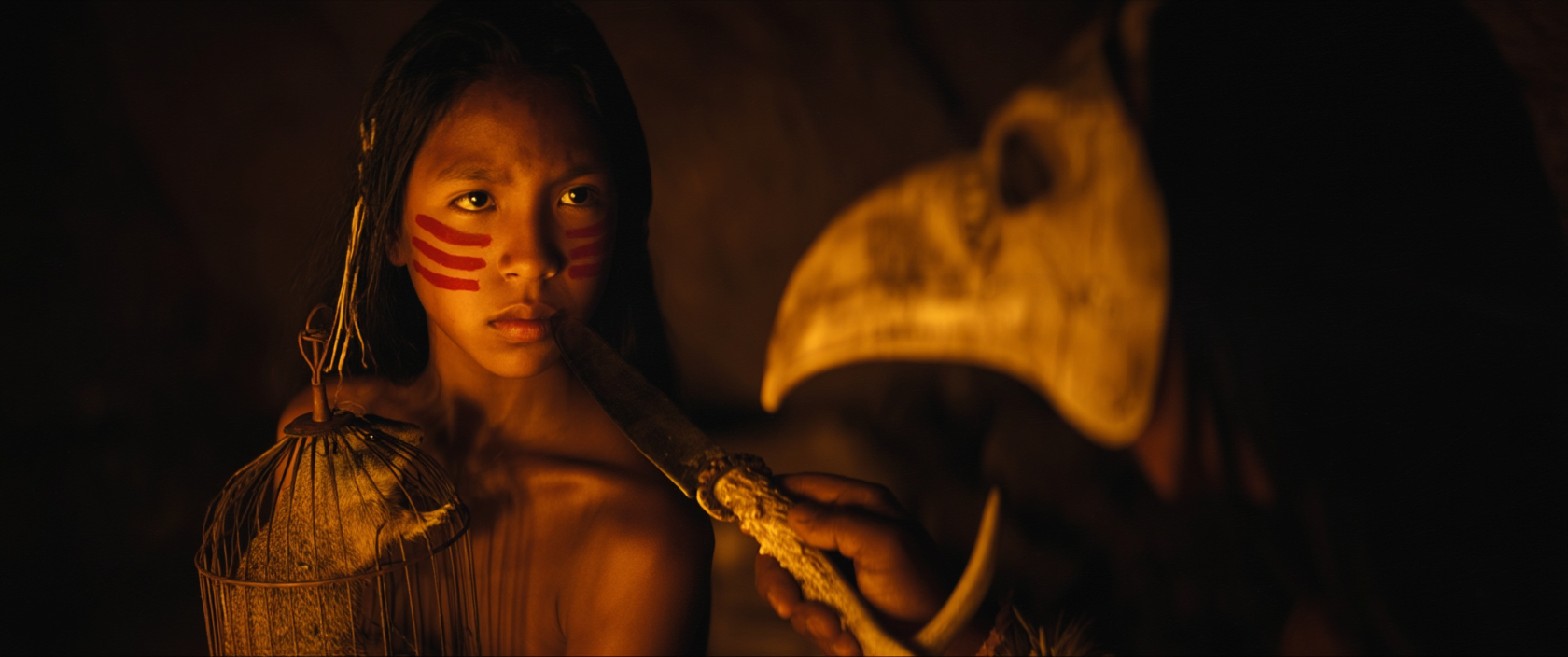
Mahtantu, the spirit of death in Lenape mythology. He is the dark opposite to the Great Spirit and Creator. The venomous and poisonous creatures and plants of the wild, all have a touch of Mahtantu. Welcome to the world(s) of Wehwan, in a time when life on the American continent changed forever.

This site is a window into a series in active development. A psychological thriller and historical western, told across six decades of American history through the consciousness of one man: Wehwan Lenapa, a Lenape-Lakota visionary who believes his shamanic rituals can call down catastrophe. The first season is fully written. The world is built. What follows on these pages, the series bible, the character library, manuscript excerpts, and a teaser produced with generative AI tools, is the result of more than two years of focused work.

The AI-generated teaser is not the show. It is how we have made the show visible to ourselves, and to anyone willing to look. The series itself is meant for actors, cameras, and the long patience of real production.

We are now ready for the next step, and we are looking for the right partner to take it with us. If you are a producer, financier, agent, or production company who recognises what this project is reaching for, we invite you to register for Industry access and reach out. We are open to conversations about co-development, financing, and the rights to bring MAHTANTU to the screen.

Johannes and Juha
Jojo STLHM Tribe
THE SETTINGS

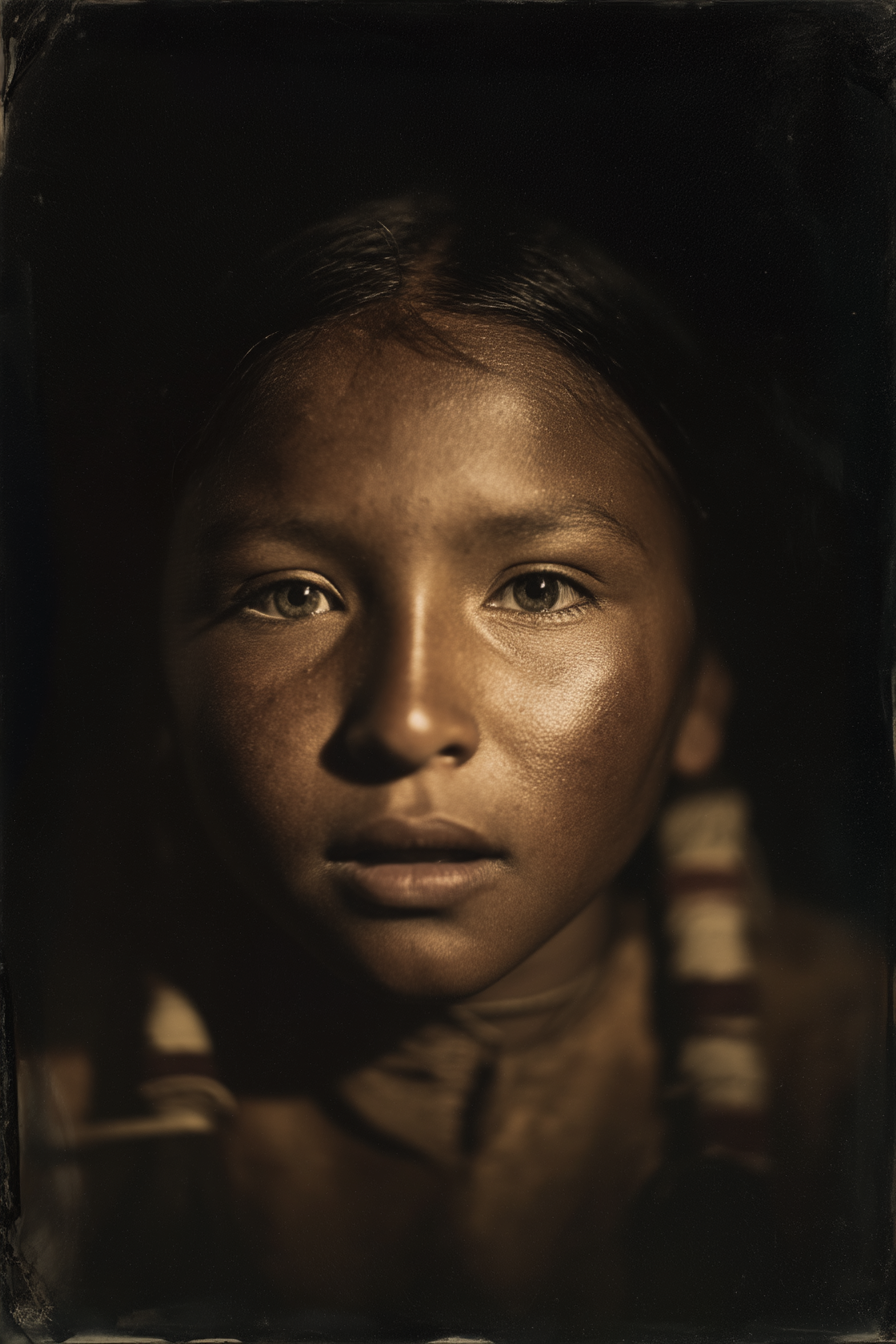
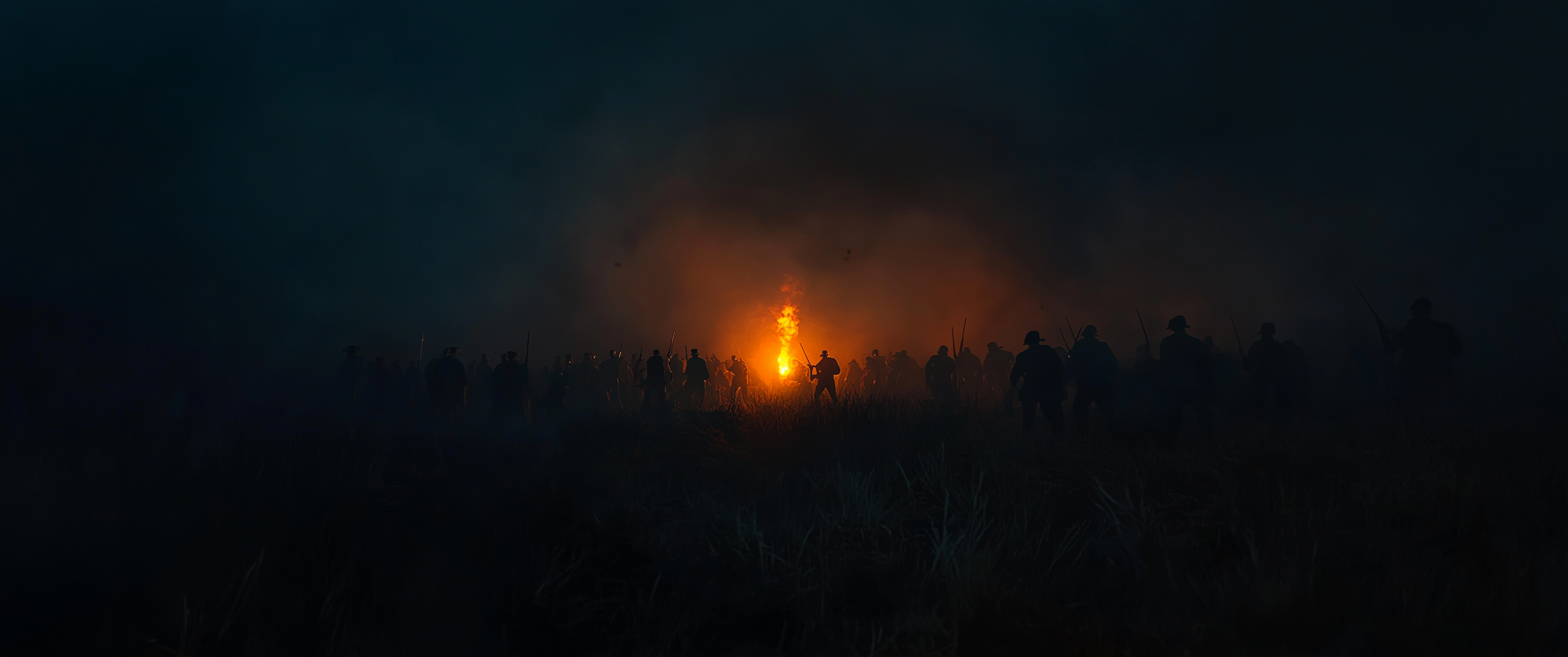
The prairie remembers everything. The men who crossed it believed they were making history. They were only making graves. This is where Wehwan was born, where his people lived, and where everything ended in a single night of fire and silence. 1835. The beginning.

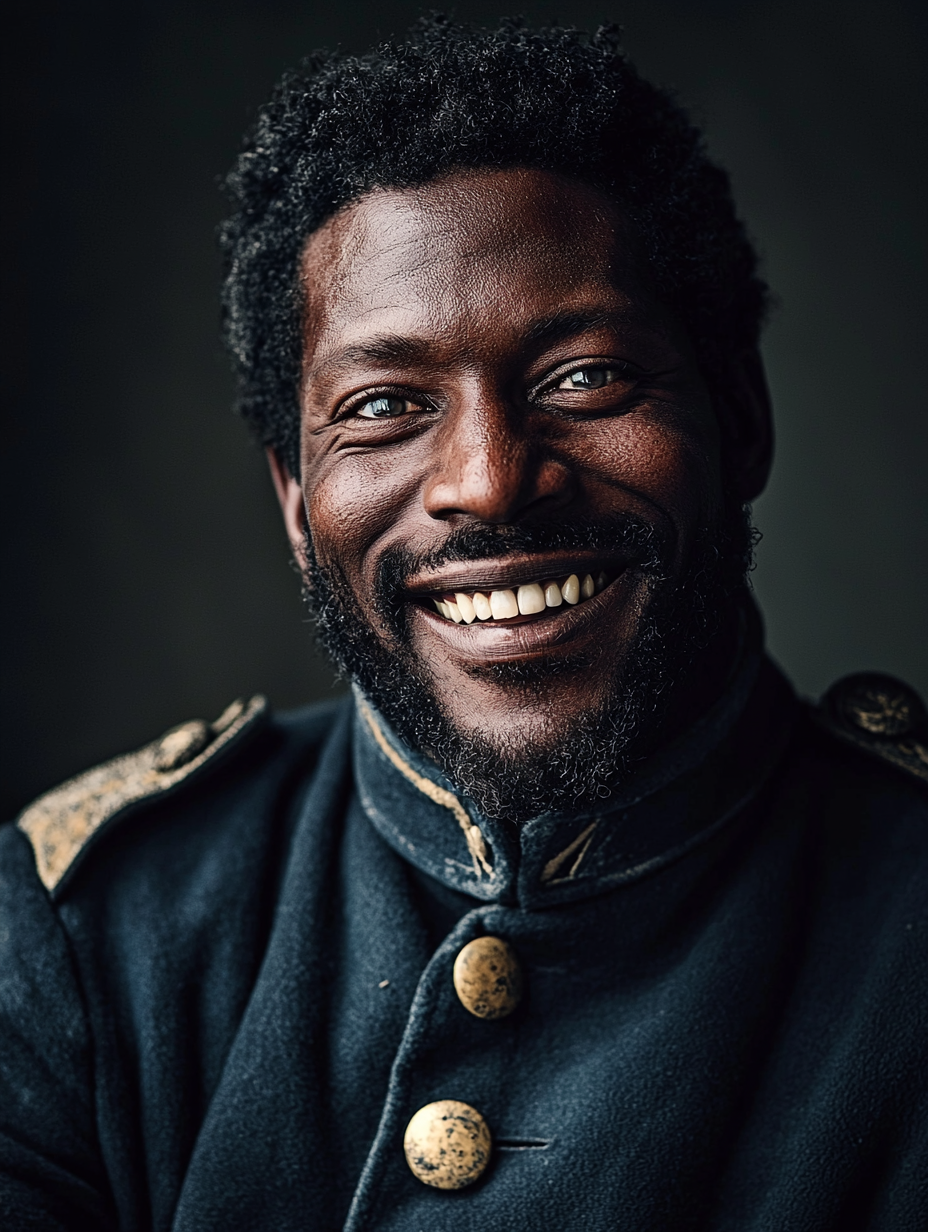
July 1863. Three days after Gettysburg. The country is tearing itself apart over the question of who counts as human. Wehwan moves through this war as a man who is property to some, a curiosity to others, and invisible to most — while being, perhaps, the most perceptive person in any room he enters.

Every people has its medicine men. Men who stand at the border between what is seen and what is not. Wehwan has lived his entire life at that border — uncertain which side he belongs to, uncertain whether the visions that have guided him are gift or damage. The spirits do not explain themselves.

W A T C H
Stills 1/1
Motion
Script

The Episodes

Season One — Eight Dances

I SHADOWLANDS The mission begins
FANS ONLY
II THE BLIND MAN’S DANCE The riots erupt
FANS ONLY
III THE DANCE OF FURY Frank appears
FANS ONLY
IV THE DANCE OF DARKNESS The murky years
FANS ONLY
V THE DESPICABLES DANCE Fitch closes in
FANS ONLY
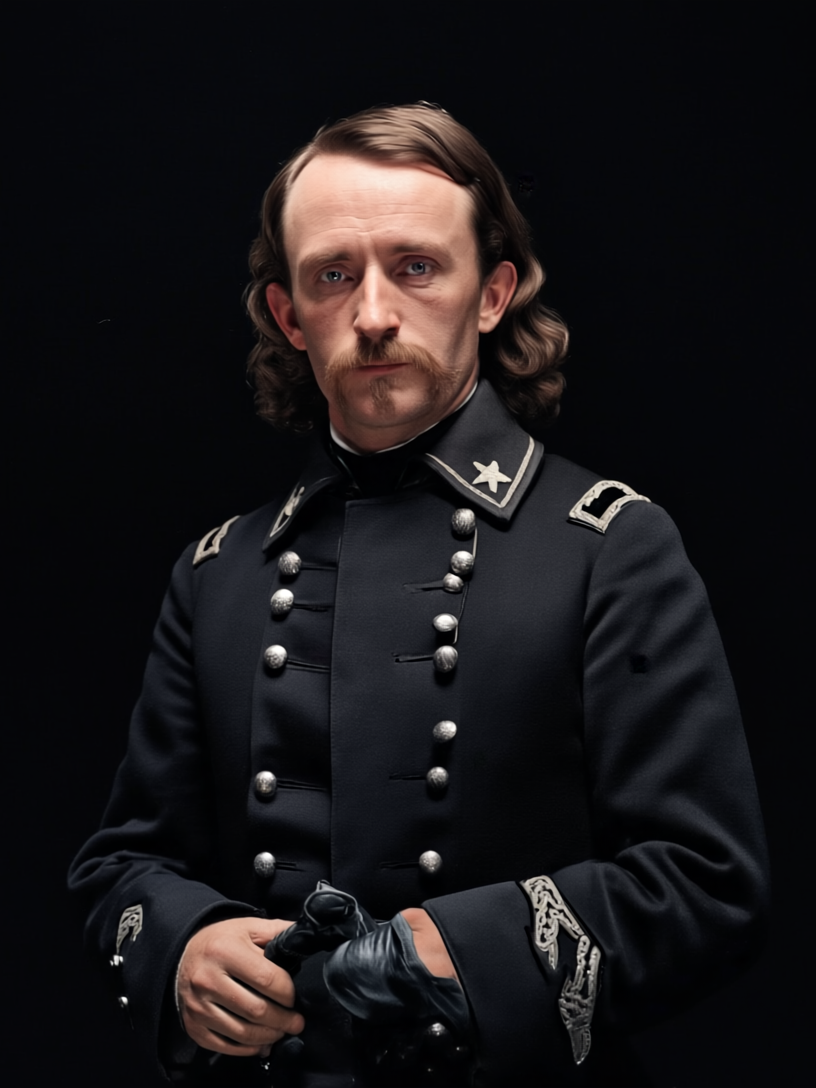
VI THE HUNTED’S DANCE Custer enters
FANS ONLY
VII THE DANCE WITH THE SPIRITS Philadelphia
FANS ONLY
VIII THE LAST DANCE Nothing is over
FANS ONLY

The Characters

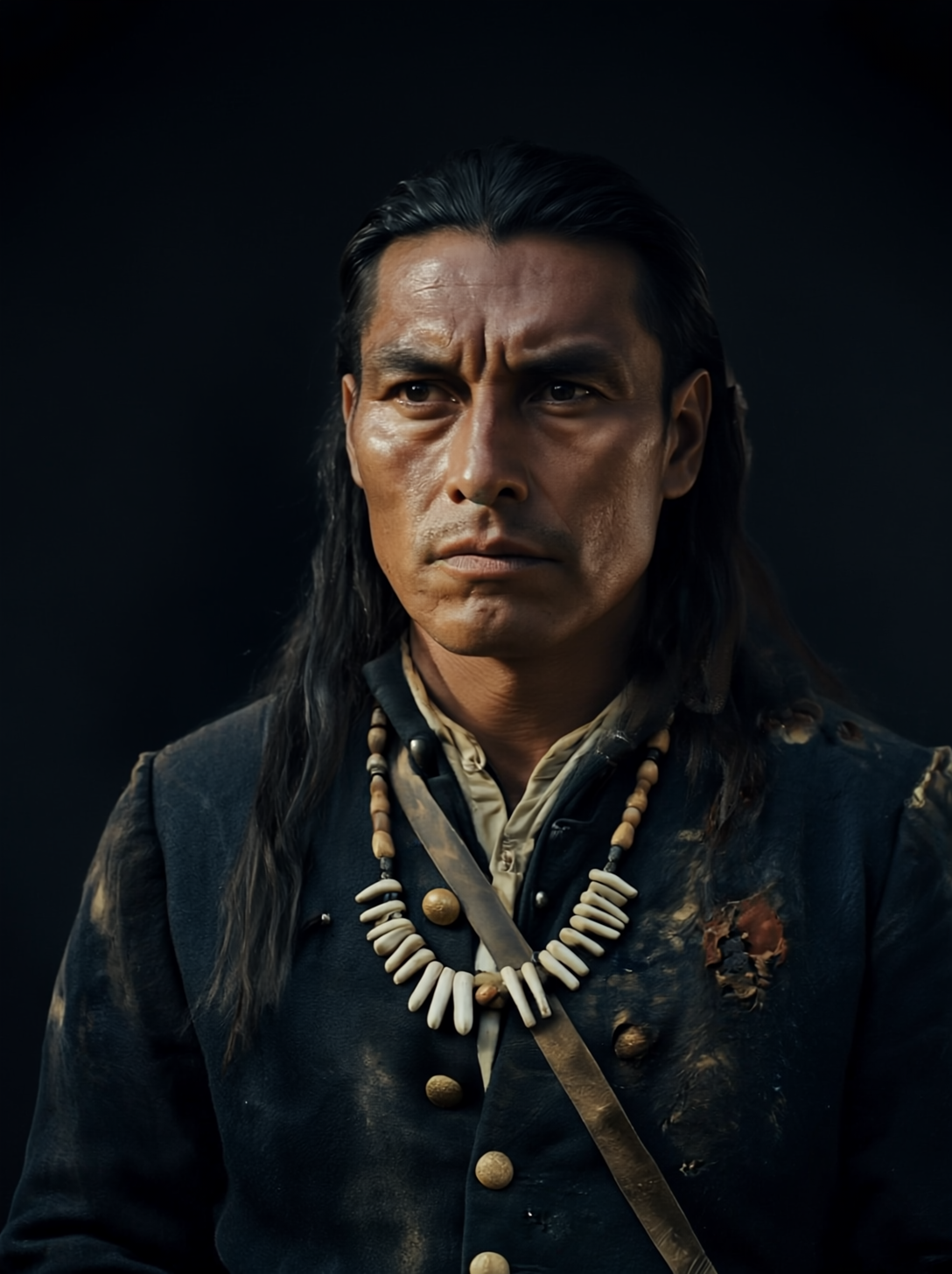
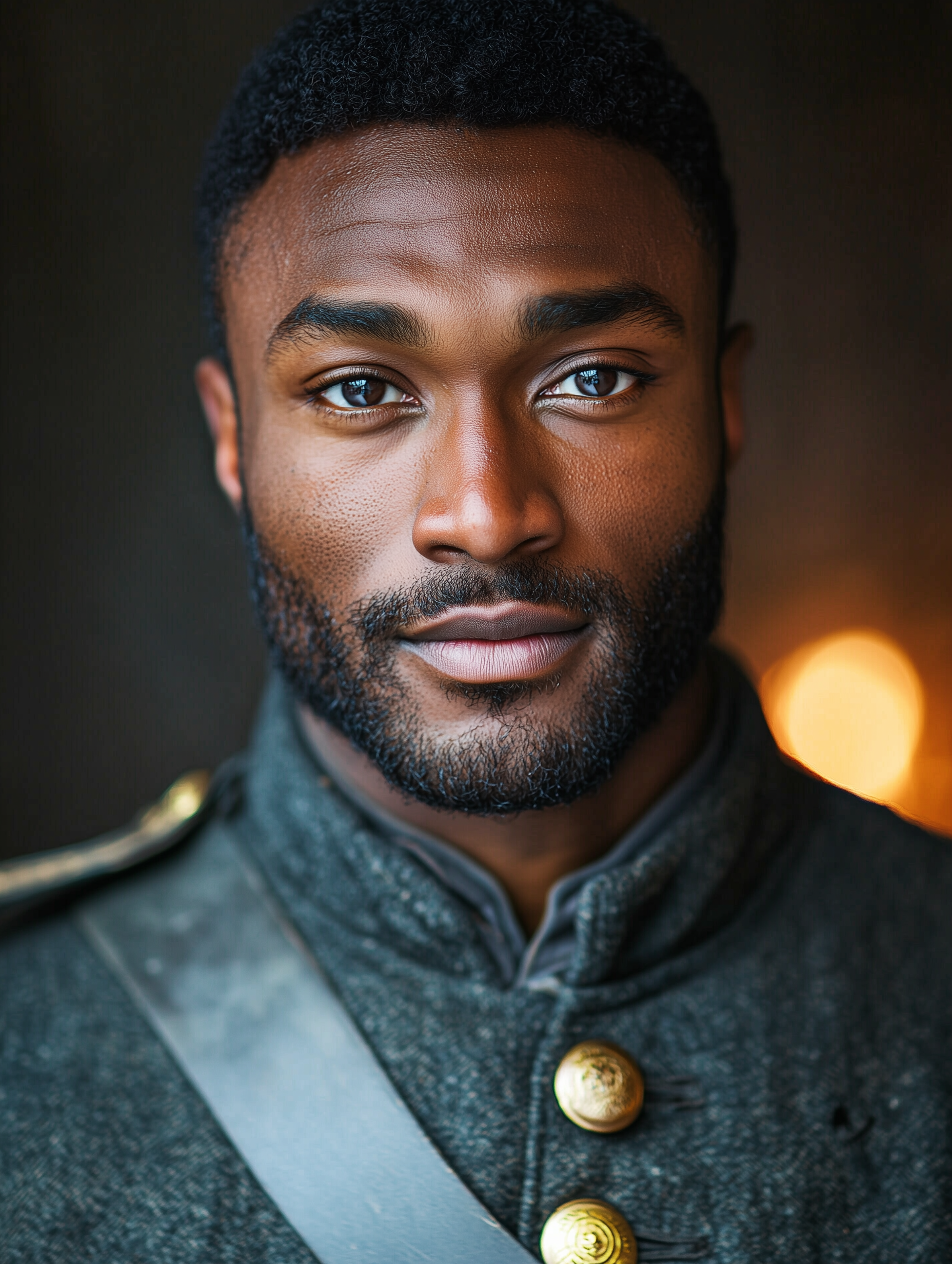
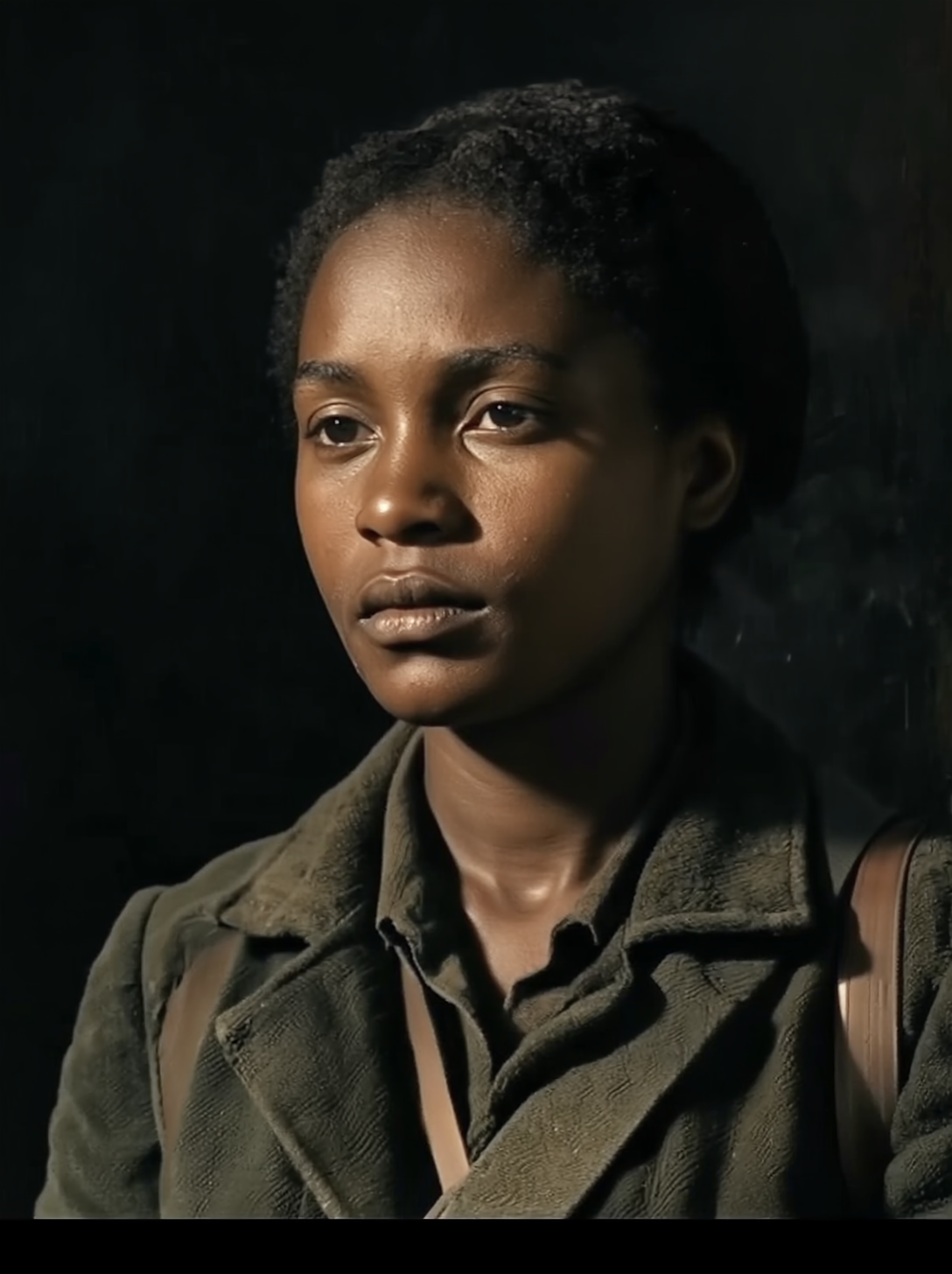
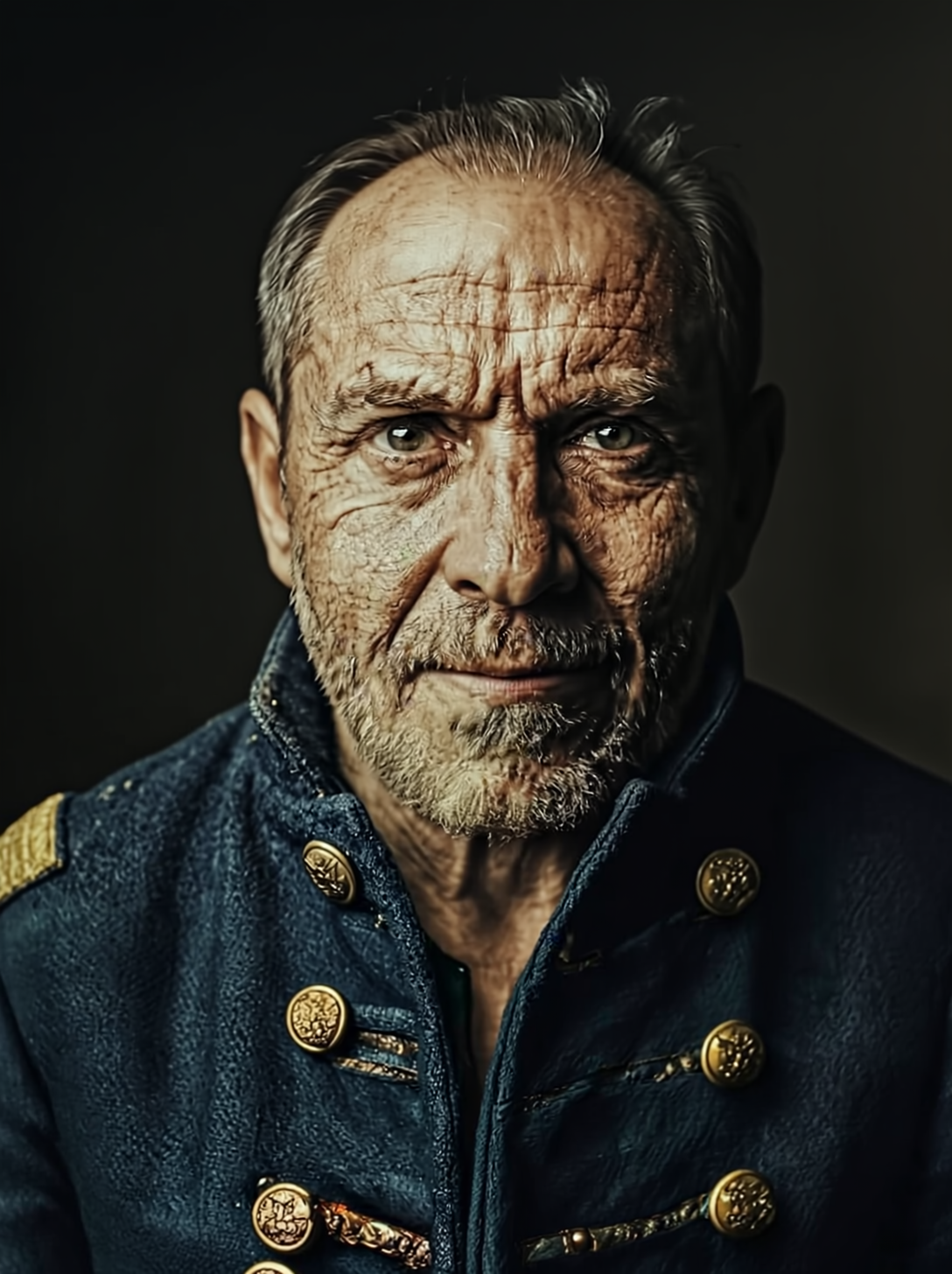
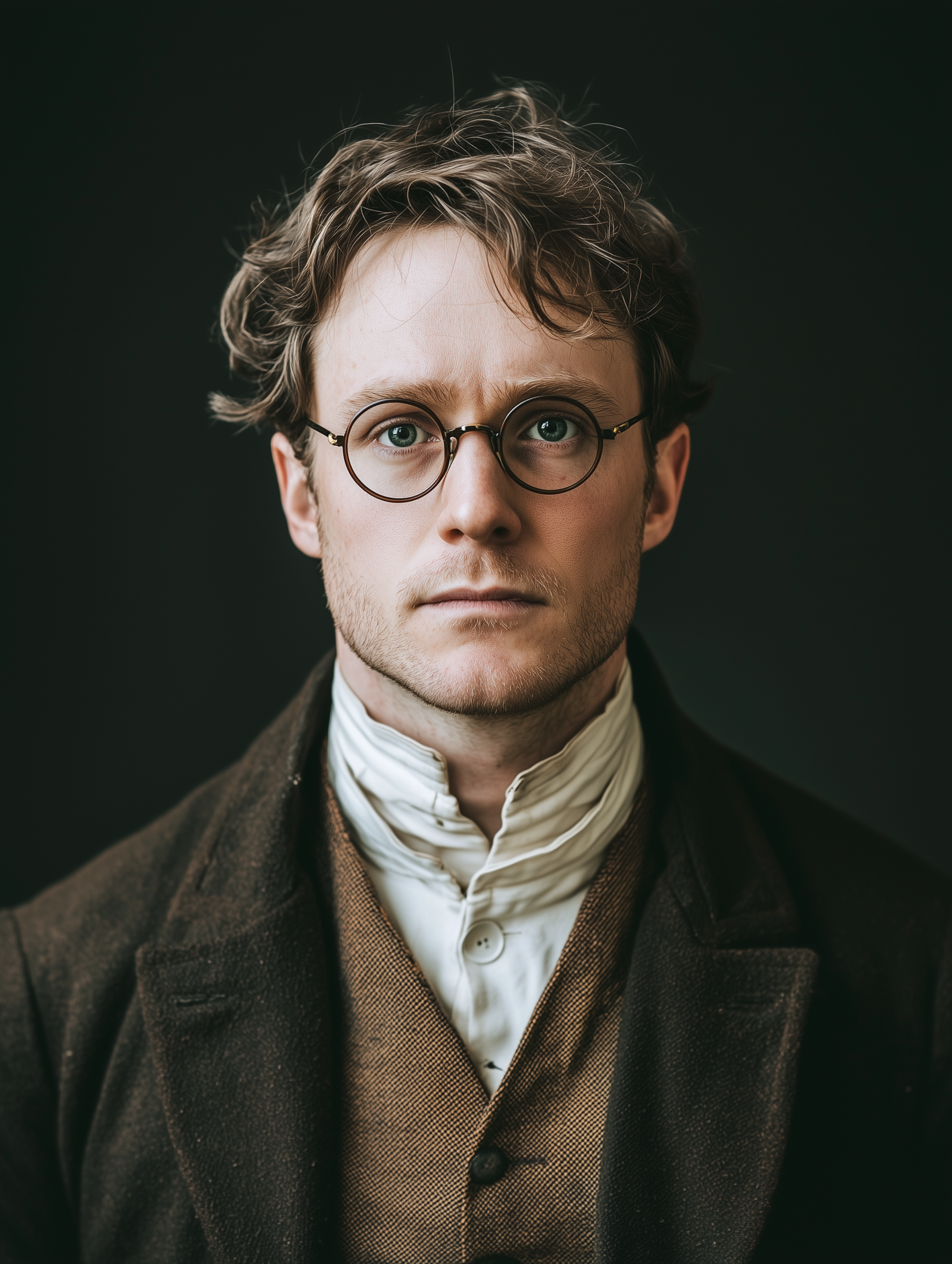
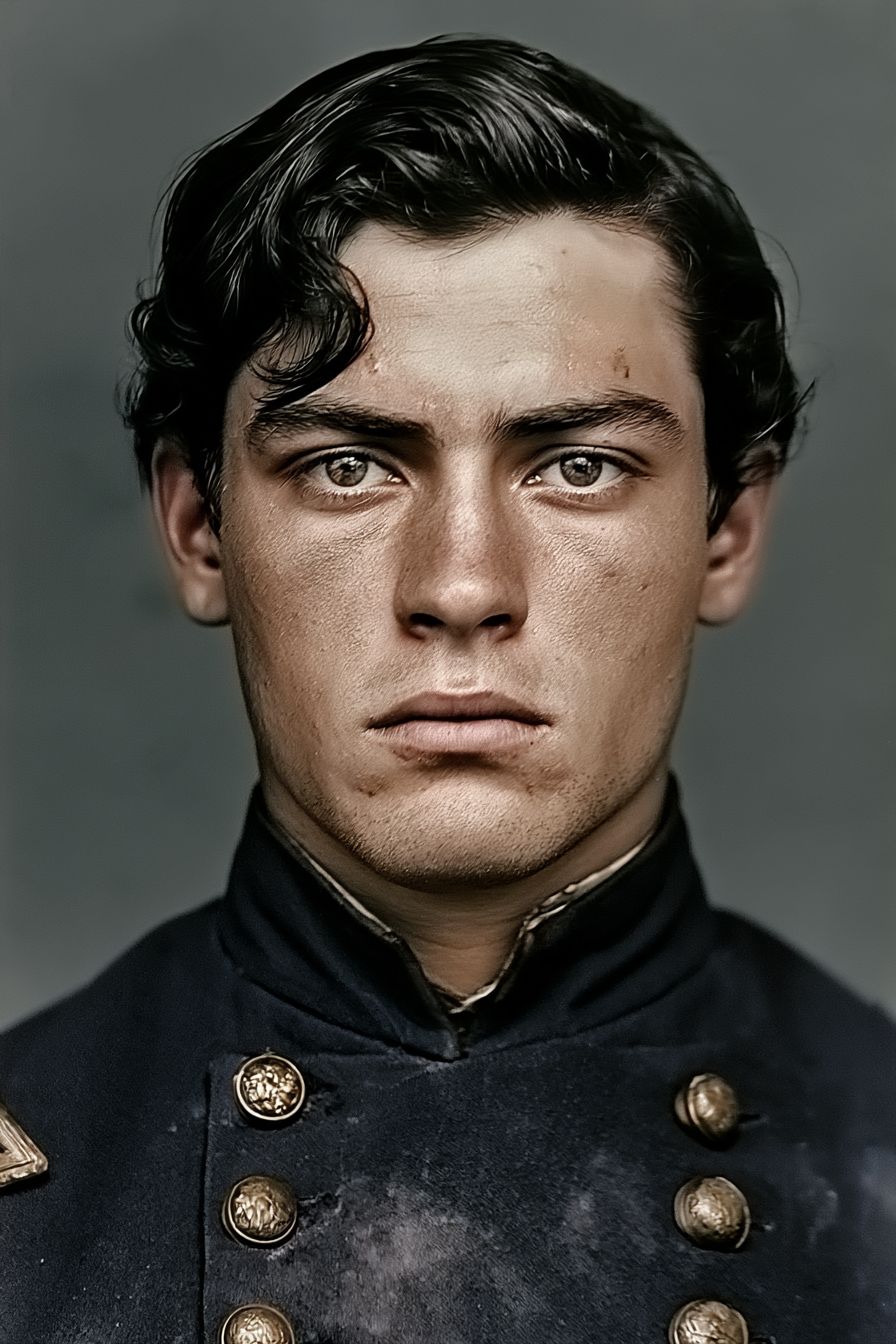
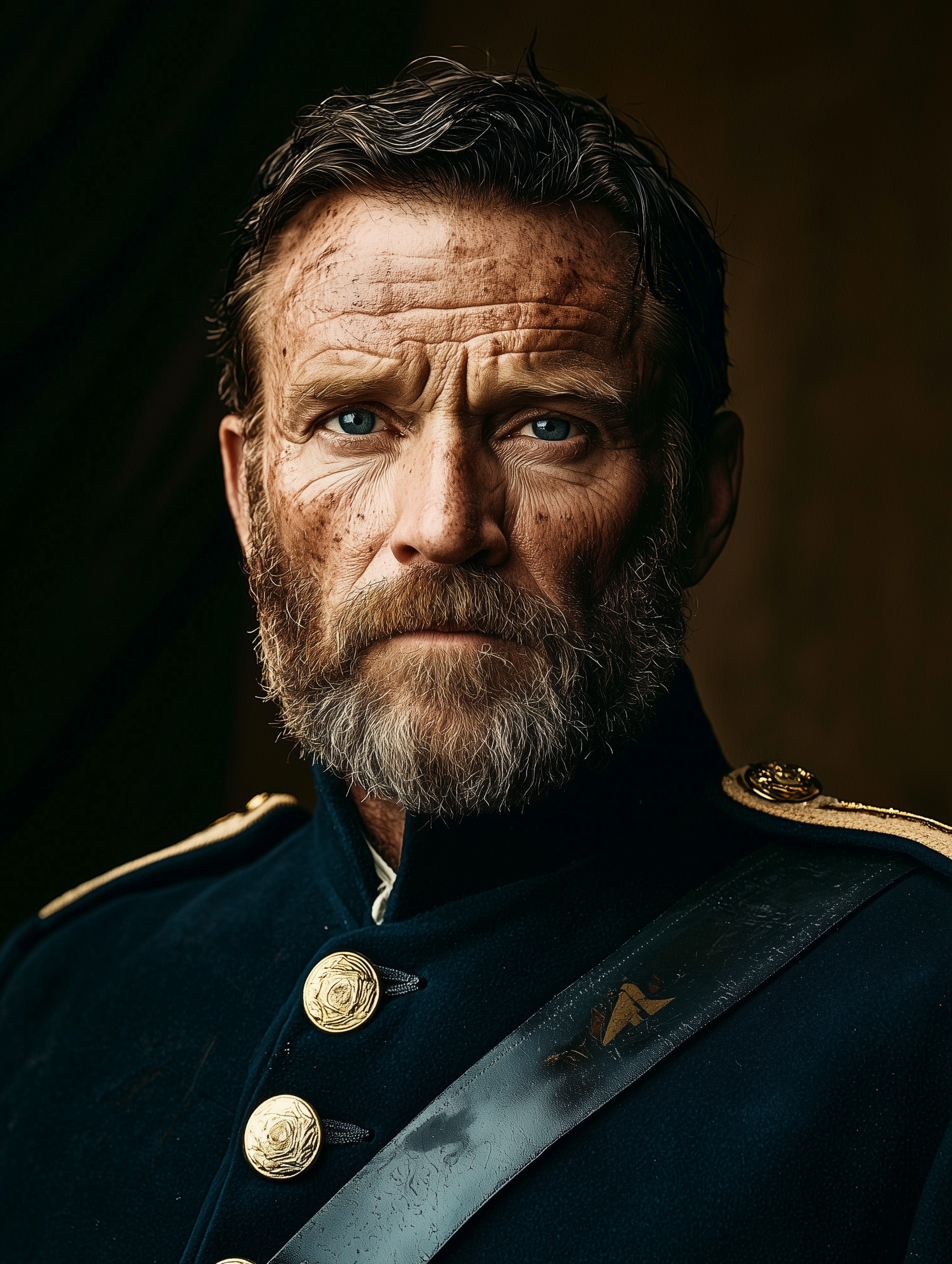
A Lenape-Lakota man who may have caused a catastrophe. A freed slave carrying documents that could change the course of a war. A Black man who has survived everything. A doctor who studies the mind before the word for it exists. They did not choose each other. They chose to survive.

Wehwan
Ray
Mary
Frank
Paul
Cholena
Jasper
Laura
Bird Man
Custer
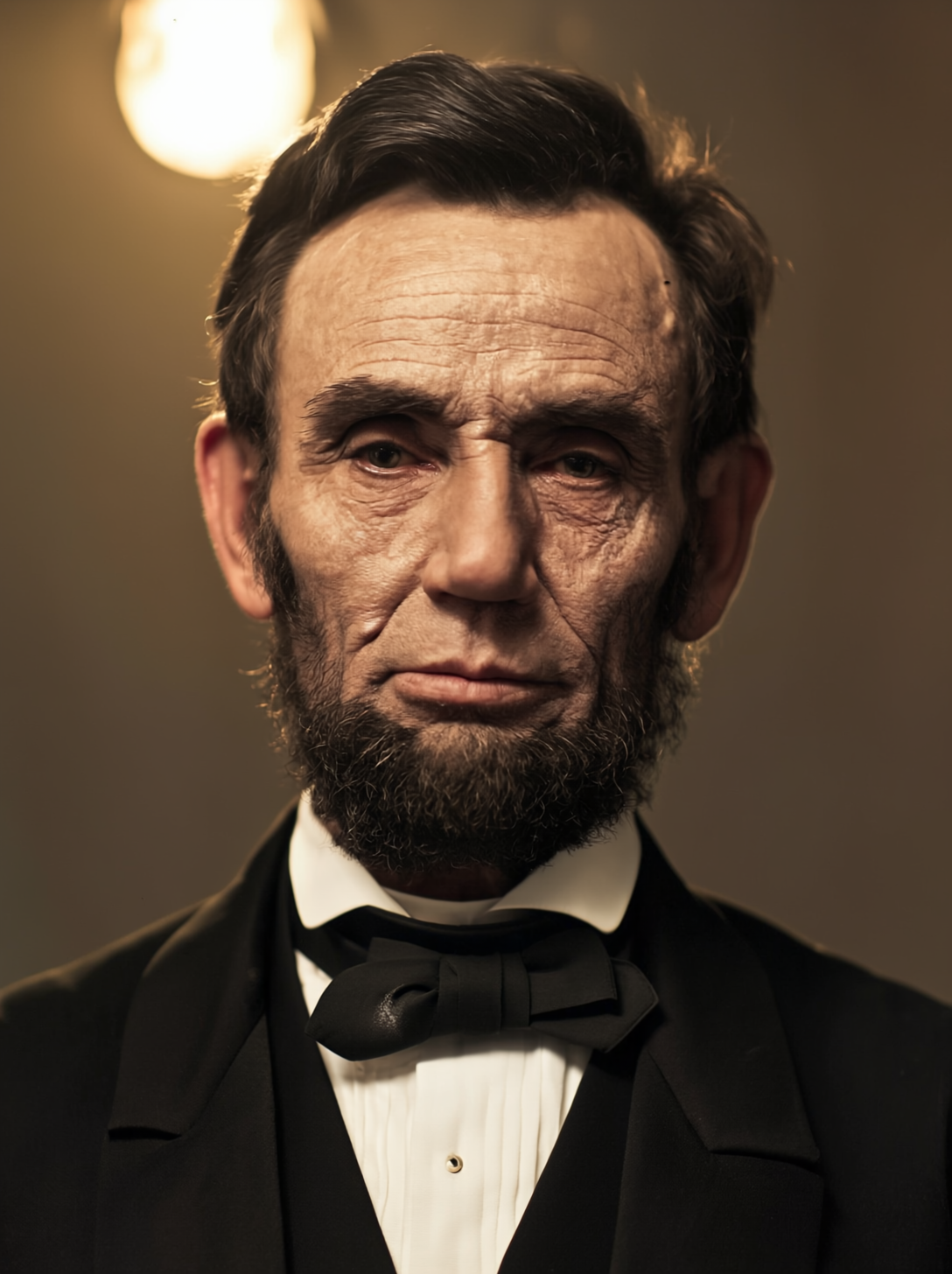
Lincoln
Fitch
Morecamb
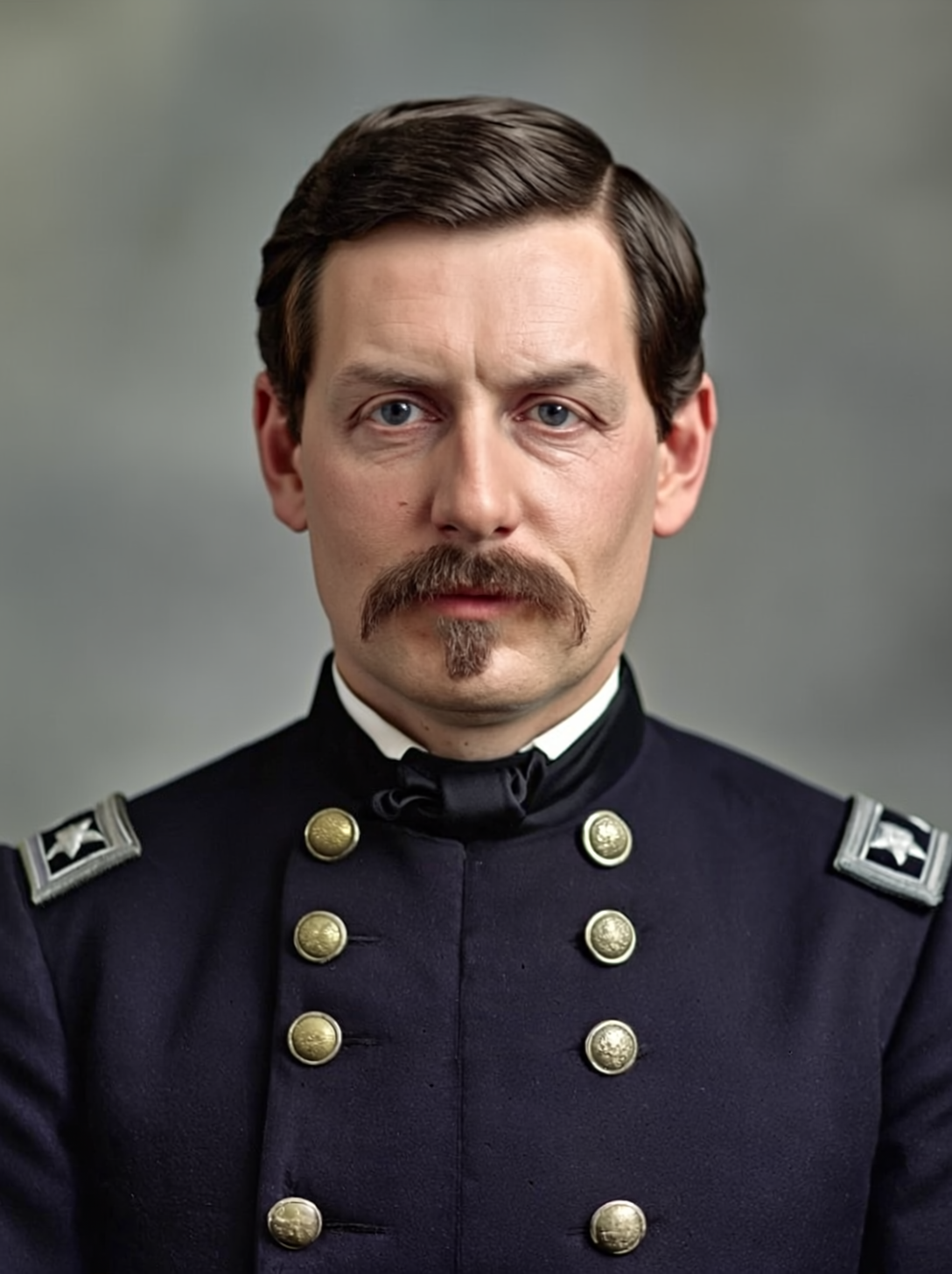
McClellan

THE ORIGINS

The Inspiration Behind MAHTANTU

MAHTANTU began with a question that would not leave us alone. What if the man at the center of the Western was never the man the genre has always shown us? What if he had been there the whole time, watching from the edge of the frame, carrying a grief the camera was never trained to see?

The series is built on the America that history books mention only in passing. The meteor storm that fell across the continent in 1833, when the sky itself seemed to come apart. The freakshow tents of the 1840s, where America put its outcasts on display and called it entertainment. The New York Draft Riots of July 1863, when a city tore itself open over the question of who was worth dying for. Custer riding toward Little Big Horn with a reporter at his side. The Ghost Dance of 1890, the last prayer of a people who had run out of land. And San Francisco in 1906, when the ground finally answered. These are not backdrops. They are the moments where the country revealed itself, and where our protagonist is always present and always invisible.

Visually we follow Vilmos Zsigmond into the woods of The Deer Hunter. A light that belongs neither to vision nor to reality but to both at once. We call this The Language of Not-Knowing. The camera shares Wehwan’s uncertainty. The audience never gets to stand above him.

The mythology of Mahtantu, the evil spirit of the Lenape, and the vision rituals of the Oglala are not decoration. They are the load-bearing structure. The series refuses to answer whether Wehwan is a visionary or a man whose mythology is the only thing keeping his grief at bay. Both answers are true. Neither is enough.

Musically we will not pretend it is 1863. We reach instead for Indigenous trance laid over blues. Because the question MAHTANTU asks is not what 1863 sounded like. It is what 1863 still sounds like, now, when we finally listen.

W A T C H
Stills 1/1
Motion
Script

THE CREATORS

Johannes and Juha have been writing stories together since the early nineties, when they met as kids over a roleplaying table and started arguing about what should happen next.

The argument never quite ended. The roles never quite changed either. Johan has always been the storyteller. Johannes has always been the historian, the one with the imagination wide enough to hold the whole map.

MAHTANTU began in the fall of 2022, over a long thread of conversations that neither of them could quite stop having.

Johannes runs research, development, and visual production. The way the show looks, and the way it refuses to separate vision from memory, is his territory.

Johan writes. He shapes the structure of the series, the rhythm of the episodes, and the voice of every character on the page. The pilot is on its seventh revision. Season one exists in first draft, eight episodes, each one moving across at least two periods in Wehwan’s life. The non-linear architecture of the show, the way it folds time the way memory does, is his.

The partnership is fifty-fifty. Everything else they negotiate the way they always have. Across a table, with no hurry.